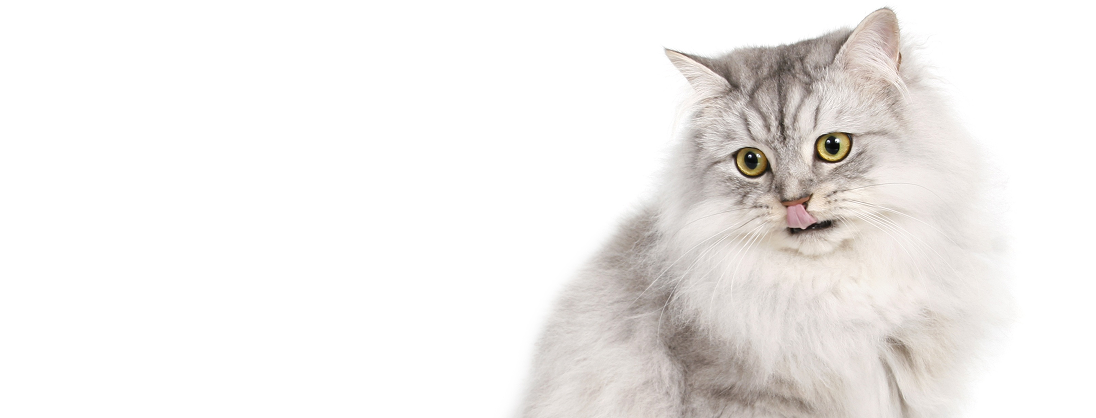
Cats come in many shapes, sizes, and fur types. Two special cat breeds known for their curly coats are the German Rex and the Selkirk Rex. Even though both have wavy fur, they are quite different in many ways. This article will help you understand the differences and decide which one might be the best pet for you.
Where They Come From
German Rex
The German Rex came from Germany in the 1950s. The first known German Rex cat was named Lämmchen. She had soft, curly fur and was the mother of the breed. This breed is one of the oldest curly-coated cats in the world. However, it is still very rare today.
Selkirk Rex
The Selkirk Rex is a newer breed. It was discovered in 1987 in Montana, USA. A kitten with curly fur was born in a shelter and later bred with a Persian cat. The breed was named after the Selkirk Mountains. This cat has become popular because of its teddy bear-like appearance and sweet nature.
Appearance
German Rex
- Size: Medium
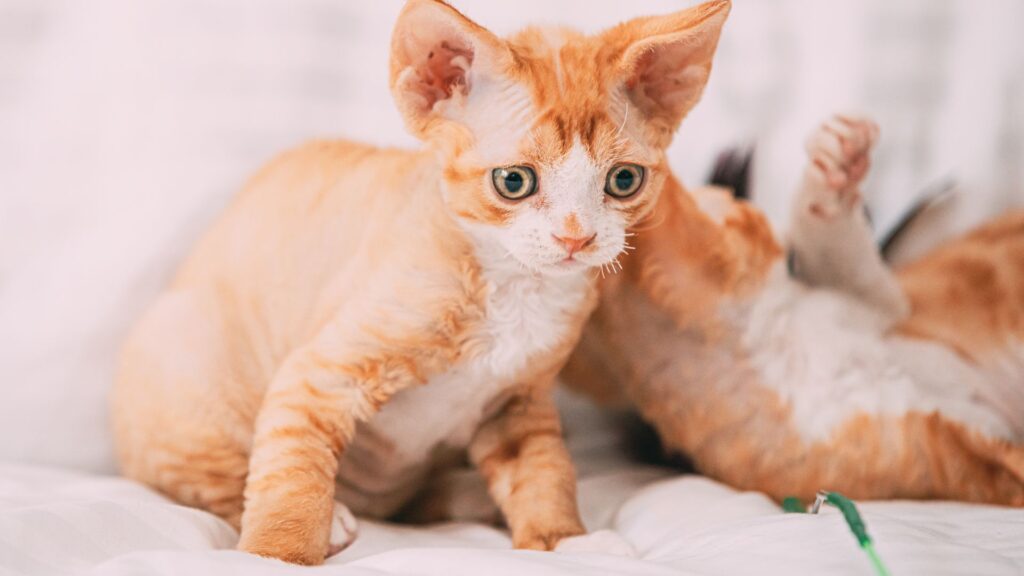
- Fur: Short, soft, and curly
- Body: Slim and muscular
- Face: Round with large ears and wide eyes
The German Rex has a fine, velvety coat. The curls are soft and sometimes less noticeable than other Rex breeds.
Selkirk Rex
- Size: Medium to large
- Fur: Thick, plush, and curly (can be short or long)
- Body: Strong and stocky
- Face: Round with full cheeks and big round eyes
The Selkirk Rex has very noticeable curls. Its coat is heavier and fluffier than the German Rex.
Personality
German Rex
The German Rex is a smart, playful, and friendly cat. It enjoys being around people and loves to explore. It is gentle and kind, making it a good family pet. This cat also gets along well with other cats and even dogs.
Selkirk Rex
The Selkirk Rex is calm, loving, and relaxed. It enjoys cuddling and being around people but is not overly demanding. This cat is patient and gentle, which makes it great for families with kids. It’s often called the “teddy bear” of cats because of its soft fur and sweet nature.
Grooming Needs
German Rex
The German Rex’s short coat is easy to care for. It usually needs brushing once a week. Because the fur is thin, the cat may get cold during winter. It’s a good idea to provide a warm spot for resting.
Selkirk Rex
The Selkirk Rex has a thicker coat, so it needs more grooming.
- Short-haired Selkirks: Brush 2–3 times a week
- Long-haired Selkirks: Brush more often to prevent tangles
Both breeds may have slightly oily skin, so an occasional bath can help keep their coat healthy.
Health and Lifespan
German Rex
This breed is generally healthy and can live around 12–15 years. Since the breed is rare, there is not much information about common health problems. Regular vet visits are important to keep them healthy.
Selkirk Rex
The Selkirk Rex can live 12–16 years. Because it was bred with Persians and British Shorthairs, it may carry some inherited health problems, such as:
- Polycystic kidney disease (PKD)
- Breathing issues due to a short nose (in some lines)
Make sure to get a Selkirk Rex from a responsible breeder who tests for these conditions.
Which One Should You Choose?
Both cats are wonderful companions, but they suit different people.
Choose the German Rex if you want:
- A playful and curious cat
- A breed that is rare and unique
- A low-maintenance coat
- A cat that enjoys being active and social
Choose the Selkirk Rex if you want:
- A soft, fluffy “teddy bear” cat
- A calm and cuddly friend
- A good family pet that’s patient with kids
- A breed with a striking curly coat
Final Thoughts
The German Rex and Selkirk Rex are both special cats with curly coats and loving personalities. The German Rex is slimmer, more active, and easier to groom. The Selkirk Rex is fluffier, more relaxed, and loves to snuggle.
No matter which breed you choose, you’ll get a loyal and beautiful cat that brings joy to your home.